Property Management

Residential property management built around disciplined leasing, proactive maintenance oversight, clear owner reporting, responsive tenant communication, and consistent day-to-day operations.

Management begins with a defined operating scope

Property management works best when occupancy goals, maintenance standards, approval thresholds, reserve requirements, and reporting expectations are clearly established before routine issues begin to accumulate.

That operating framework guides lease administration, vendor coordination, property inspections, turnover planning, maintenance response, and the way information is documented and communicated to ownership.

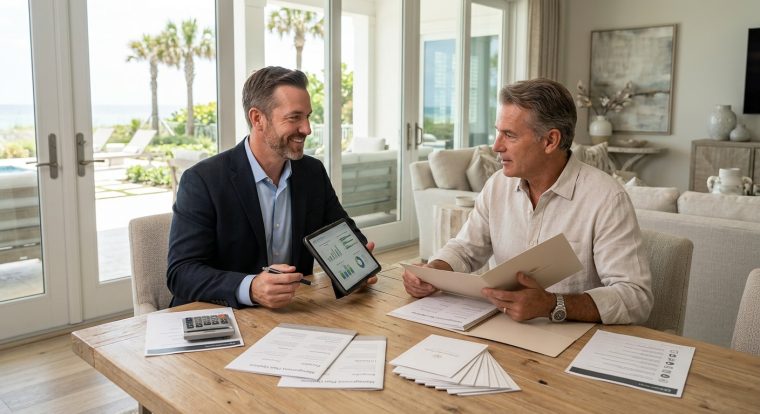
The objective goes beyond completing individual tasks. It is to create a more disciplined management rhythm for the property and a clear decision-making process that ownership can confidently use.

PM Inspectin for Mag
real estate investor

Investor Priorities Require a Different Strategy

Investor priorities differ from owner-occupant expectations, requiring a strategy centered on financial performance, long-term value, operating costs, and exit potential.


Management planning can be structured around the investment hold period, rental strategy, improvement sequencing, vendor accountability, and reserve planning—helping the asset operate more efficiently and perform more consistently over time.

This level of structure is especially valuable when the property is part of a broader portfolio and reporting must remain consistent, comparable, and actionable across multiple assets.

Management Structured Around the Property

Owner Services

Management scope, approval protocols, maintenance oversight, and owner communication are structured around the needs of actively held residential properties.

real estate investor

Investor Services

Portfolio-focused management designed to support leasing stability, control operating expenses, maintain turnover discipline, and provide clear visibility into property performance.

Property Owner Portal

Owner Resources

Centralized records, reporting tools, approval workflows, and owner access points designed to reduce friction and simplify day-to-day property oversight.

Tenants

Tenant Resources

Tenant-facing tools, clear expectations, and streamlined service request paths designed to support a smoother occupancy experience and more efficient property operations.

Reporting That Creates Visibility and Direction

Owner and tenant resources are most effective when they reduce delays in approvals, maintenance coordination, leasing processes, payments, and access to clear status updates.

Effective reporting should clearly identify what occurred, what remains unresolved, where owner action is required, and which factors may affect the property’s near-term performance.

That structure includes owner and tenant portals, streamlined maintenance intake, organized lease records, clearly defined escalation paths, and documented communication standards that help prevent routine issues from becoming avoidable disruptions.

Male PM

Define the management structure before the next operating cycle

If the property needs clearer control over leasing, maintenance, reporting, or owner communication, we can map the operating model directly.